.svg)
Understanding Manufactured Home Insulation
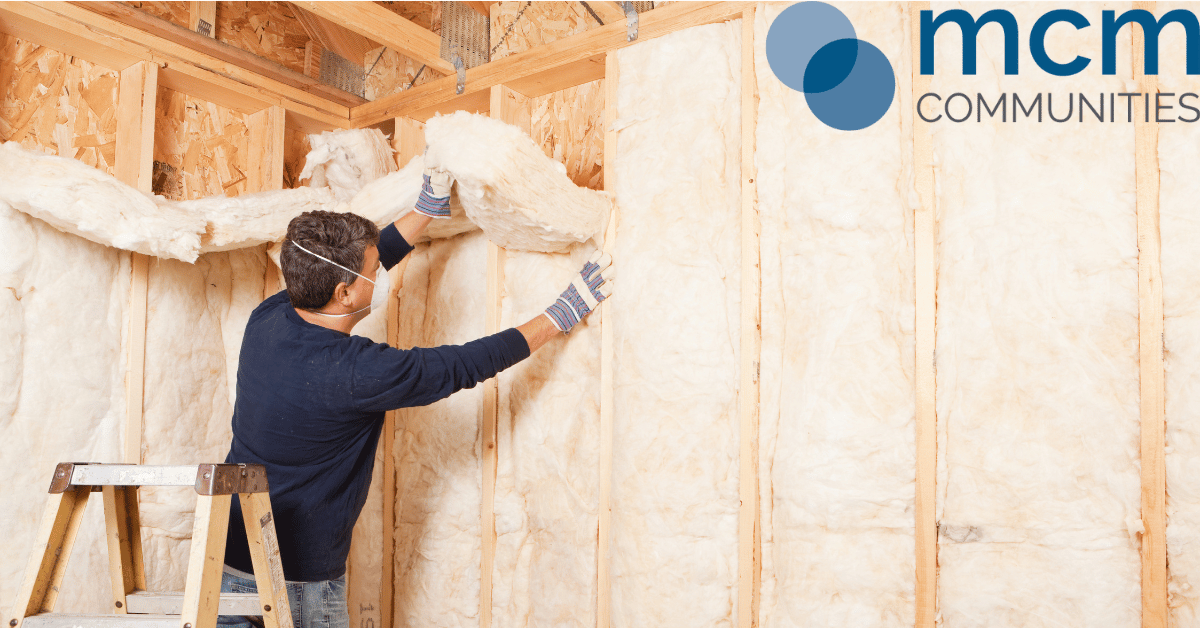


Insulation plays a bigger role in day-to-day comfort in a manufactured home than many people realize. When comfort problems show up, such as rooms that never quite warm up, higher energy bills, or moisture issues, insulation is usually part of the explanation. It directly affects indoor comfort, energy efficiency, moisture control, and how well the home holds up over time.
A lot of the confusion comes from outdated assumptions. Older manufactured homes were often built with limited insulation, and that reputation never really went away. Modern manufactured homes, however, are built to meet current federal standards and perform across a wide range of climates. In practice, insulation in newer homes often performs better than buyers expect, especially when expectations are based on decades-old examples.
Why Is Insulation Important in Manufactured Homes?
Insulation controls how quickly heat moves in and out of the home. When it works, indoor temperatures stay relatively stable. When it doesn’t, the signs are obvious: cold floors in winter, overheated rooms in summer, and heating or cooling systems that seem to run constantly.
That inefficiency shows up on utility bills. Poor insulation forces HVAC systems to work harder just to maintain basic comfort. Effective insulation reduces that strain and makes temperature control more predictable, particularly in areas with clear seasonal swings.
Insulation also plays a role in moisture control. Limiting temperature differences across surfaces reduces condensation that can lead to mold or material damage. It also helps control sound, which is often overlooked but makes a noticeable difference in daily living.
How Is Insulation Used in Manufactured Homes?
Manufactured homes use insulation in several key areas. Walls, floors, and ceilings are insulated to create a continuous thermal barrier around the living space. Because these homes are built in factory settings, insulation is installed under controlled conditions, improving consistency and coverage.
Floor insulation is especially important in manufactured homes. Since the house is elevated above grade, under-floor insulation helps prevent heat loss and protects the plumbing. The underbelly, which encloses insulation and utilities, plays a critical role in maintaining performance.
Roof and ceiling insulation help manage heat rising through the home, while wall insulation supports temperature control and structural protection. Together, these components work as a system rather than isolated elements.
What Types of Insulation Are Common in Manufactured Homes?
Several insulation types are commonly used in manufactured homes, each serving a different purpose depending on design, climate, and performance needs.
- Fiberglass insulation is one of the most widely used options due to its affordability and ease of installation. It is commonly found in walls, floors, and ceilings.
- Foam board insulation is often used in targeted areas where added moisture resistance or higher thermal performance is needed.
- Spray foam insulation may be used in select applications to seal gaps, improve air tightness, and reduce air leakage around penetrations.
Each insulation type offers different performance benefits. The right choice depends on the home’s construction, local climate, and whether the insulation is part of new construction or a retrofit upgrade.
How Do Insulation Standards Affect Home Performance?
Insulation standards help ensure that manufactured homes meet minimum requirements for energy efficiency and comfort. These standards influence the amount of insulation used and its placement.
Homes built to modern standards generally perform better in terms of temperature control and energy efficiency. Older homes may not meet current energy-efficiency benchmarks, which can lead to uneven temperatures or higher utility costs if insulation is outdated.
How Does Climate Influence Insulation Needs?
Climate plays a significant role in insulation performance. Homes in colder regions require insulation that minimizes heat loss, while homes in warmer areas benefit from insulation that reduces heat gain.
Seasonal changes also affect insulation effectiveness. Proper insulation helps homes adapt to temperature fluctuations, keeping indoor environments more stable year-round.
What Role Does Skirting Play in Manufactured Home Insulation?
Skirting plays an important supporting role in manufactured home insulation. While it is not insulation by itself, skirting helps protect the insulated underbelly from wind, moisture, pests, and temperature extremes. By enclosing the space beneath the home, skirting reduces air movement that can draw heat from the floor insulation.
Well-maintained skirting also helps regulate moisture levels under the home. This reduces the risk of condensation, mold, and damage to insulation materials over time. When paired with proper ventilation, skirting contributes to a more stable and efficient insulation system.
Can Insulation Be Upgraded in an Existing Manufactured Home?
Many manufactured homes can benefit from insulation upgrades, especially older models. These improvements typically focus on areas where heat loss is most common and performance gains are easiest to achieve.
- Under-floor insulation can often be reinforced or replaced if it has settled, been damaged, or lost effectiveness over time.
- Attic insulation upgrades help improve temperature control and reduce heating and cooling costs.
- Air sealing improvements, such as closing gaps around ductwork, plumbing, and electrical openings, enhance overall efficiency and comfort.
The value of an insulation upgrade depends on the home’s age, condition, and climate. In many cases, targeted improvements deliver noticeable comfort and efficiency gains without requiring extensive renovations.
How Does Insulation Affect Long-Term Home Value?
Insulation adds long-term value by improving comfort, reducing operating costs, and enhancing overall durability. Homes with effective insulation are easier to heat and cool, resulting in more predictable utility costs and a more comfortable indoor environment.
As energy efficiency becomes an increasingly important factor in housing decisions, well-insulated manufactured homes tend to attract stronger buyer interest and retain value more effectively over time.
Insulation also protects structural components by reducing moisture exposure and limiting temperature-related stress, thereby extending the home’s lifespan and reducing the risk of costly repairs.
What Should Buyers Look for When Evaluating Insulation?
When evaluating a manufactured home, buyers should pay attention to signs of insulation quality. Even indoor temperatures, manageable energy bills, and the absence of drafts often indicate effective insulation.
Visual inspection can reveal issues such as damaged skirting, exposed underbelly materials, or moisture staining. Buyers may also ask about insulation type, R-values, and any completed upgrades. A professional inspection can provide additional insight into the condition and performance of insulation, especially in older homes or in regions with extreme climates.
Is Manufactured Home Insulation Worth the Investment?
For most homeowners, insulation is a practical investment. It improves daily comfort, supports energy efficiency, and helps protect the home over time. Whether through proper maintenance or targeted upgrades, insulation plays a central role in how a manufactured home performs.
Modern manufactured homes are built with insulation systems designed to meet current standards, but they still benefit from regular evaluation and proper care. Understanding insulation helps homeowners make informed decisions that improve comfort and long-term value.
For those exploring manufactured home living in Michigan, MCM Communities emphasizes well-maintained neighborhoods and homes designed for comfort and efficiency. When considering manufactured housing, insulation is one of the most important factors in creating a comfortable, durable home.


