.svg)
What Makes a Modular Home 'Custom'? Design Options That Matter
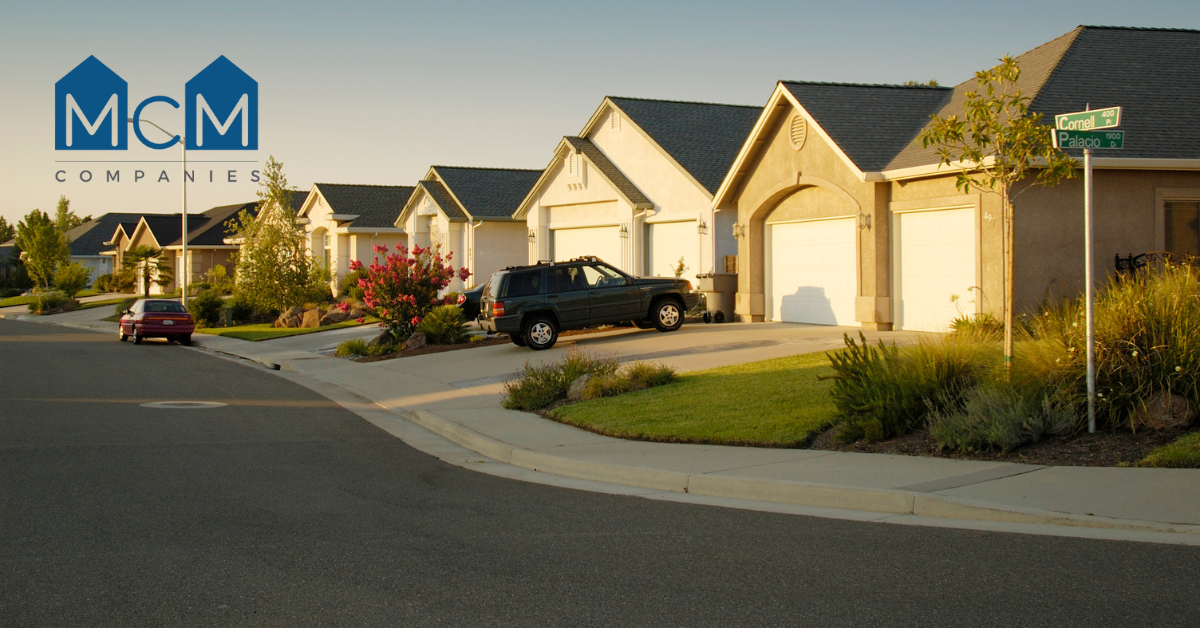


For decades, the idea of a modular home conjured images of simple, pre-designed structures with limited options, often dismissed as "cookie-cutter." Yet, this stereotype is profoundly outdated. In the modern construction landscape, a modular home is less about the speed of assembly and more about the precision of a custom-engineered dream.
Today, what makes a modular home truly custom is the staggering degree of personalization available, allowing buyers to move beyond a standard catalog and design a residence that perfectly reflects their unique lifestyle, aesthetic preferences, and site-specific needs.
The customization process encompasses every element, from the structural layout to the cabinet hardware, demonstrating that factory-built quality can be combined with bespoke design.
The Modular Advantage
The fundamental difference between a highly custom modular home and its traditional site-built counterpart lies in when and where the decisions are made. In modular construction, nearly every detail is finalized before the first module is shipped from the factory floor. This pre-planning, driven by a sophisticated design process, ensures greater control over quality, timeline, and budget.
A home is "custom" in the modular world, not when you select paint colors from a limited menu, but when you have the power to modify the structural footprint by adding or shifting modules and choosing every interior and exterior finish, from high-end quartz countertops to specific architectural siding. It’s custom when you get to integrate advanced systems like solar arrays, smart technology, and superior insulation packages.
This process transforms the custom modular home from a pre-fabricated product into a precision-engineered structure tailored to the client's vision, often achieving a higher level of fit and finish than a traditional build due to the controlled, climate-regulated factory environment.
Floor Plans and Layouts
The most impactful design options in a custom modular home build revolve around the floor plan and layout. Modular manufacturers offer a starting library of plans, but the client's ability to manipulate these layouts is what drives true customization.
Homebuyers aren’t stuck with the original blueprint. They can easily add rooms, remove walls to create open spaces, or adjust room sizes to suit their needs. For a couple who frequently entertains, this might mean a vast, open-concept kitchen flowing seamlessly into a dining and living area. For a family needing more defined boundaries, it could mean segmenting the space into a formal study or a private den.
Customization enables the creation of spaces tailored to a specific function. Instead of just a generic fourth bedroom, you can design a built-in home office with custom shelving, a dedicated mudroom or laundry area designed for efficiency, or a climate-controlled wine cellar.
Custom modular home design excels at planning for the future. Designs can incorporate features for aging in place or multi-generational living, such as wider hallways, zero-entry showers, and a primary suite on the main floor. Two separate modules can be strategically connected to form distinct living wings, providing both privacy and shared common spaces for extended families.
Choosing the proper flow is a deep dive into the homeowner's lifestyle. It involves mapping out daily routines, such as how traffic flows from the garage to the kitchen, or determining the optimal placement of windows to capture natural light and views, ensuring the home not only looks beautiful but functions effortlessly.
Exterior and Architectural Freedom
A custom modular home’s exterior is the key to achieving curb appeal that rivals any traditionally built residence. The days of modular homes looking standardized are long gone; they can now be designed in virtually any style imaginable.
Homeowners can dictate the architectural style, whether it's the steep rooflines and dormers of a Cape Cod, the expansive one-level living of a Ranch, or the clean lines and asymmetrical design of a Contemporary home.
Customization is evident in the choice of exterior materials. You are not limited to basic vinyl siding. Options include high-end siding materials such as cedar shakes, fiber-cement plank siding, stucco, or a combination of these. You can also choose the accents, incorporating natural stone, brick veneers, or timber framing for added visual interest.
The final structure is often enhanced on-site by adding traditional building elements that tie the modules together and give the home character. These include expansive front porches, wrap-around decks, integrated garages, and decorative gables or dormer windows. These details ensure the finished product is indistinguishable from a site-built custom home.
Interior Customization
While the layout defines the home's skeleton, the interior finishes provide its personality. This is the stage where the custom modular home shines, offering a vast catalog of choices typically associated only with high-end builders.
Kitchen and Bath Design
The kitchen, often referred to as the heart of the home, receives the highest level of customization. Buyers select the wood type, door profile (e.g., Shaker, flat panel), finish color, and internal storage features (such as pull-out drawers and spice racks) for the cabinetry.
When it comes to countertops, premium finishes are standard options, including quartz, granite, and durable solid-surface materials. From the style of the kitchen faucet to the bathroom vanity’s knobs and pulls, every piece of hardware and every fixture can be chosen to match the homeowner’s desired aesthetic, whether sleekly modern or classically rustic.
Flooring and Lighting
Beyond materials, the design dictates how the light interacts with the space. Flooring options range from polished concrete and high-end luxury vinyl plank (LVP) to solid hardwood floors throughout the living areas and custom tiling in wet zones.
Custom lighting scheme plans include detailed electrical drawings, allowing the buyer to specify the placement of recessed lighting, pendants over islands, and custom sconces. This thorough planning eliminates the "afterthought" feel often associated with quick builds.
Building Smarter: Efficiency and Technology
Modern custom modular home design isn't just about aesthetics; it’s about performance and sustainability. A truly custom home integrates systems that enhance comfort, reduce utility costs, and minimize environmental impact.
Buyers can customize the home's energy envelope by selecting advanced packages that include superior insulation (beyond minimum code requirements), high-performance low-E windows, and air sealing techniques that achieve an extremely tight thermal envelope.
The choice extends to sustainable materials with lower carbon footprints, such as specific lumber products or flooring with recycled content.
Customization includes planning for technology from the ground up. This involves pre-wiring for integrated smart home systems, security, solar panel arrays, and electric vehicle charging stations, ensuring the house is future-proofed and ready for modern living.
The Future of Bespoke Living
The era of the "cookie-cutter" modular home is over. Today, a custom modular home offers unparalleled design freedom, allowing you to tailor every structural, architectural, and finish detail to your unique lifestyle.
From designing a multi-generational floor plan to selecting high-end quartz countertops and integrating smart technology, the modular process guarantees a precision-engineered, high-quality home that is perfectly customized from the factory floor.
Ready to transform your vision into a reality? MCM Communities specializes in delivering this next generation of custom modular homes, combining affordability, expert construction, and a vast selection of design options to build the future-proof home of your dreams.


