.svg)
Understanding System Built Homes Prices: What Buyers Should Know
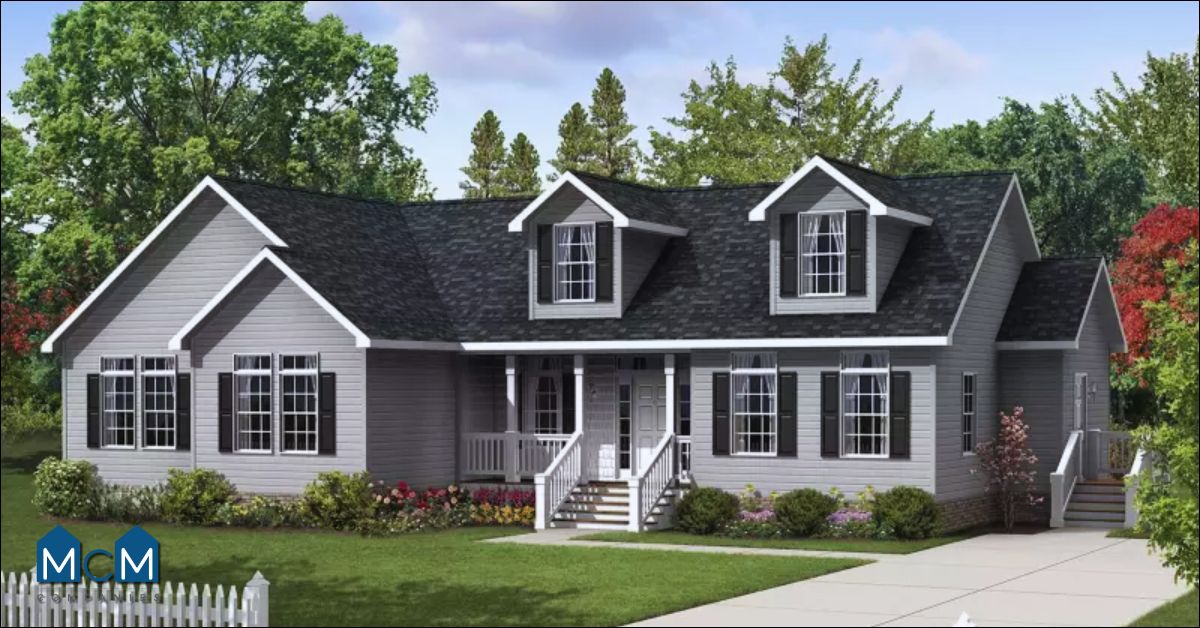
System built homes have gained attention as a practical and modern solution to today’s housing challenges. For buyers seeking affordability, faster construction, and quality control, these homes offer a real alternative to traditional building methods.
But one of the most common concerns among potential homeowners is understanding how system built homes prices are calculated. This guide explores all the key elements that go into pricing a system built home, offering a clear look at what influences cost, what’s typically included, and how to budget wisely.
Whether you’re just starting your research or ready to move forward, understanding these details will help you make informed decisions.
What Are System Built Homes?
Before diving into pricing, it’s helpful to understand what system built homes are. These homes are built in sections (or systems) in a factory setting and then transported to the home site for assembly.
The term includes various types of homes such as:
• Modular homes: Built to local building codes and typically assembled on a permanent foundation.
• Manufactured homes: Constructed according to HUD standards and placed on either temporary or permanent foundations.
• Panelized homes: Shipped as pre-built panels for on-site assembly.
• Precut homes: Also known as kit homes, these include all pre-measured materials for construction.
Each type comes with its own cost structure, and comparing them is key to understanding the range of system built homes prices available in today’s market.
Why Are System Built Homes Gaining Popularity?
More people are turning to system built homes for several reasons. In addition to shorter construction times and lower labor demands, buyers are drawn to the predictable quality and energy efficiency. Many homeowners report lower utility bills due to tighter construction and modern materials.
The most compelling reason, however, is often related to cost. When people compare system built homes prices with those of traditional homes, they often find that the former can be more budget-friendly—especially when time and long-term savings are considered.
What Are the Main Factors That Affect System Built Homes Prices?
1. Home Size and Layout
It’s no surprise that the size of your home will have a major impact on cost. Larger homes require more materials, longer production times, and more extensive site preparation. Even among system built homes, two houses with similar square footage may have very different prices depending on layout complexity and number of stories.
• Single-story homes tend to be less expensive than two-story models due to reduced structural engineering.
• Homes with open floor plans and simple rooflines are generally more affordable.
As square footage increases, system built homes prices will rise, but buyers still typically pay less per square foot compared to custom site-built homes.
2. Type of System Built Home
Each type of system built home comes with different pricing dynamics:
• Modular homes usually have the highest upfront costs but offer long-term value. They are treated like traditional homes for appraisal, insurance, and resale.
• Manufactured homes are often more affordable to purchase, but may not appreciate in value the same way. They can be limited by zoning laws.
• Panelized and precut homes fall in between, offering flexibility in design and pricing.
Understanding which type best fits your needs can help you manage system built homes prices more effectively.
3. Customization and Features
The more personalized your home, the higher the cost. While most system built home companies offer base models with standard features, upgrades can quickly increase pricing:
• Countertops, flooring, and cabinetry
• Energy-efficient windows and appliances
• Expanded floor plans or architectural details
• Smart home technology
Buyers should balance their wish list with their budget. Choosing only the most important upgrades can help keep system built homes prices within a comfortable range.
4. Materials and Finish Quality
Material selection affects both durability and price. Builders often offer a choice between:
• Standard materials: Lower cost but reliable quality
• Mid-range options: A mix of function and style
• High-end finishes: More luxurious, with a noticeable price bump
If budget is a concern, starting with standard features and upgrading in stages after move-in may be a smart way to manage system built homes prices.
5. Site Conditions and Preparation
One of the most overlooked factors in pricing is the condition of the land where the home will be placed. Costs can increase if your lot requires:
• Clearing trees or removing debris
• Grading and leveling
• Adding access roads or driveways
• Soil reinforcement for stability
Foundation installation also varies depending on the type of home and local building codes. These elements can add significantly to your total expenses and impact system built homes prices beyond the sticker price.
6. Delivery and Assembly Costs
Once the home is built in the factory, it must be transported and assembled on your property. This includes:
• Shipping fees, which depend on distance and size
• Crane rental for placement of large sections
• Labor costs for on-site finishing
These charges are often not included in the builder’s base price. Clarifying this early can prevent unexpected jumps in system built homes prices later in the process.
What Is Typically Included in a System Built Home Price?
Understanding what’s included in the base price is essential when comparing quotes. Generally, the base price of a system built home covers:
• The construction of the home in the factory
• Standard design and layout
• Plumbing, electrical, and HVAC systems
• Delivery within a specific radius
• Some level of basic interior and exterior finish
The average base price for modular homes typically ranges from $100 to $200 per square foot, depending on the manufacturer and your region. However, system built homes prices can rise significantly when factoring in customizations and site-related expenses.
What Costs Are Not Included in the Base Price?
It’s important to account for additional costs that are often not included in the builder’s initial estimate:
• Land purchase: If you haven’t already bought your lot, this is a major expense.
• Foundation work: Includes slab, crawl space, or full basement.
• Utility connections: Hooking up to water, sewer, electric, and gas lines.
• Permits and inspections: Vary by state and municipality.
• Local impact fees or zoning costs: In some areas, these fees are substantial.
• Driveways, landscaping, and fencing: Often considered final touches but can be expensive.
By including these expenses in your planning, you’ll get a more accurate picture of total system built homes prices.
Can You Save Money by Choosing a System Built Home?
System built homes are often more affordable than traditional site-built homes for several reasons:
• Factory construction reduces delays caused by weather
• Bulk purchasing of materials keeps supply costs down
• Shorter timelines reduce labor and financing costs
• Reduced waste means better resource use and fewer surprises
While some custom site-built homes may seem comparable in base price, the overall efficiency and speed of system built construction often keep system built homes prices lower over the life of the project.
Do System Built Homes Hold Their Value?
In many areas, modular system built homes hold their value similarly to traditional homes. They are built to local codes and inspected just like any other home.
Manufactured homes, while affordable, may depreciate depending on the land ownership, market conditions, and age of the home. If resale value is important to you, working with a trusted builder and maintaining your home well will help protect your investment, especially as more buyers begin to understand and accept system built housing options.
Conclusion
System built homes offer an attractive alternative to traditional construction. With shorter timelines, strong quality control, and customizable features, they are a smart choice for many buyers. But understanding the full range of costs is key to making the right decision.
System built homes prices depend on many factors, including design, site conditions, finishes, and installation costs. By planning carefully and working with a reliable builder, you can find a solution that meets both your vision and your budget.
Ready to explore your options? Contact MCM Communities today to learn how we can help you succeed with system built homes. Our team can walk you through pricing, site planning, and customization so you can move forward with confidence.
Let us help you build a home that works for your life, your timeline, and your finances.
FAQs
How much does a system built home cost per square foot?
System built homes prices typically range from $100 to $200 per square foot, depending on the builder, materials, and location.
What is included in the base price of a system built home?
The base price usually includes factory construction, standard finishes, plumbing, electrical, and HVAC systems, along with delivery within a certain distance.
Are system built homes cheaper than traditional homes?
In many cases, yes. System built homes often cost less due to faster construction, less labor, and more efficient material usage.
What factors affect system built homes prices?
Key factors include home size, type of system built home, custom features, material choices, land preparation, and transportation costs.
Do system built homes hold their value over time?
Modular system built homes generally hold their value well and appreciate similarly to site-built homes when properly maintained.