.svg)
How to Lower Cooling Costs in a Manufactured Home
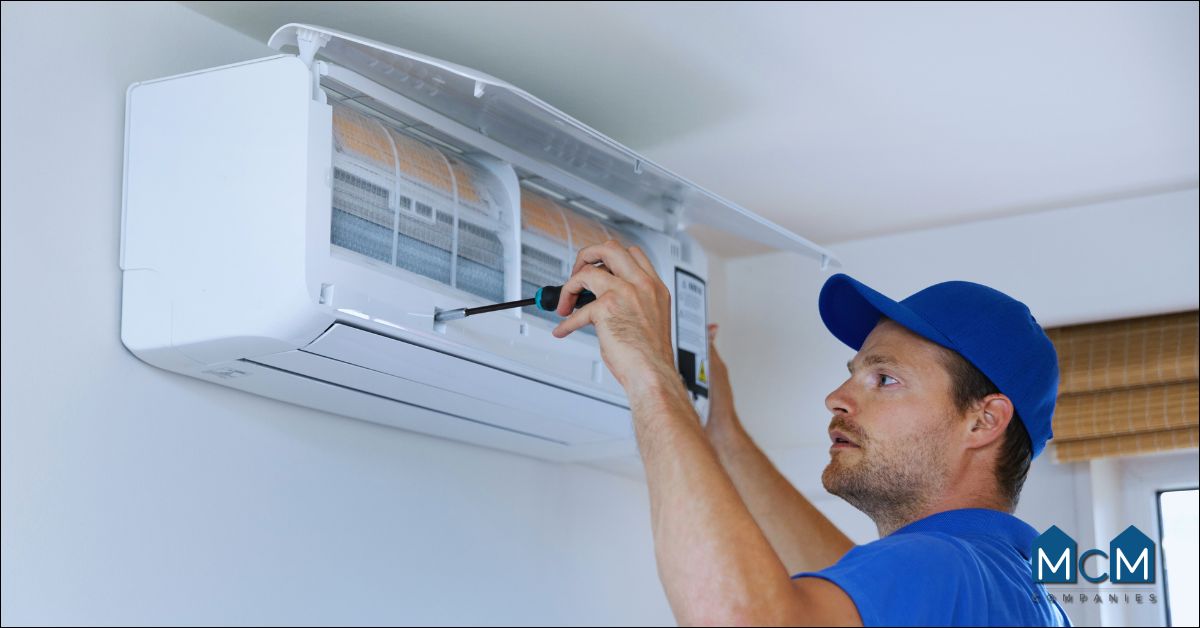
Keeping your manufactured home cool in the summer doesn't have to drain your wallet. Whether you live in a single-wide or double-wide home, the strategies in this guide can help you lower cooling costs, improve comfort, and make your space more energy-efficient.
Why Are Cooling Costs Usually Higher in Manufactured Homes?
Manufactured homes often cost more to cool because of how they are built. Many were constructed with thin walls, minimal insulation, and older HVAC systems that weren’t designed with today’s energy standards in mind. Homes built before the 1990s often lack proper sealing and have outdated materials that allow heat to enter and cool air to escape easily.
The good news is that these challenges can be fixed. By making smart upgrades and changes, you can significantly lower cooling costs, even if your home is several decades old.
What Parts of a Manufactured Home Contribute Most to Energy Loss?
The biggest culprits for energy loss in a manufactured home include:
• Uninsulated or poorly insulated walls and ceilings
• Leaky or disconnected ductwork under the floor
• Single-pane windows without proper sealing
• Gaps around doors and utility openings
•Dark roofs and sun-exposed siding
If your home has these issues, your air conditioner has to work harder and run longer to cool your space. Sealing these problem areas is one of the fastest ways to lower cooling costs.
How Can I Find Out if My Home Is Cooling Efficiently?
There are both simple and professional ways to evaluate your home’s cooling performance:
• DIY signs of inefficiency:Your home feels humid or warm even when the AC is on
• Some rooms are cooler than others
• You hear whistling near windows or doors
• Energy bills spike every summer
• Professional energy audits:An energy audit uses tools like blower doors and thermal cameras to identify exactly where your home is losing energy.
Many utility companies offer these at low or no cost. Getting one can help you prioritize the most cost-effective ways to lower cooling costs.
Which Insulation Upgrades Provide the Biggest Return?
Insulation is one of the most effective ways to reduce energy loss and cooling costs in a manufactured home. Here are the areas to focus on:
1. Underbelly insulation
This is the space beneath your home, often exposed to outside temperatures. Insulating this area reduces heat transfer from the ground and helps maintain indoor temperature.
2. Wall insulation
If your walls have little or no insulation, adding spray foam or blown-in insulation can dramatically improve performance.
3. Roof and attic space
A radiant barrier or added insulation above the ceiling can stop heat from building up in your living space.
4. Skirting insulation
Adding foam board or rigid panels to your skirting helps prevent hot air from collecting under your home, keeping your floors cooler.
While these upgrades involve some upfront cost, they can pay for themselves over time by helping you lower cooling costs for years to come.
Should I Replace My Old Air Conditioner?
If your air conditioner is over 12–15 years old, it may be operating at a much lower efficiency than modern units. Replacing it with a high-efficiency system can cut your cooling expenses significantly.
Look for these options:
• ENERGY STAR-certified central air units
• Ductless mini-split systems for targeted cooling
• High-efficiency heat pumps that can heat and cool
Choose an AC system with a SEER rating of 16 or higher for optimal energy performance. Pairing it with a smart thermostat gives you even more control and savings.
What Are Low-Cost Ways to Lower Cooling Costs?
You don’t have to spend a lot to start seeing improvements. Try these budget-friendly steps:
• Use caulk and weatherstripping to seal gaps around doors and windows
• Install thermal or blackout curtains to block heat from sunlight
• Apply window film to reflect UV rays
• Use box or ceiling fans to circulate air
• Change your air filter monthly to maintain airflow
• Close doors to unused rooms to reduce the area you’re cooling
These simple actions can add up to meaningful savings on your electric bill. In some homes, low-cost upgrades alone can reduce cooling costs by 10 to 20%.
Does the Roof Play a Role in How Hot My Home Gets?
Your roof is constantly exposed to sunlight and can heat up to 150°F or more on a sunny day. This heat radiates into your living space unless your roof is built to reflect it.
Ways to reduce heat from the roof
• Apply a cool roof coating that reflects sunlight
• Install a white or light-colored metal roof
• Add a radiant barrier to the underside of the roof deck
Cool roofing materials can lower surface temperatures by 50–60°F, which makes a noticeable difference inside. These upgrades are especially helpful in hot climates and can extend the life of your HVAC system by reducing demand.
Conclusion
Lowering cooling costs in a manufactured home does not require a full renovation. By making smart improvements like sealing air leaks, upgrading insulation, using a smart thermostat, and adjusting daily habits, you can keep your home comfortable and reduce your monthly energy bill
If you are looking for energy-efficient housing, MCM Homes provides modern manufactured homes designed with comfort and cost savings in mind. Whether you live in an older model or are considering a new one, MCM Homes focuses on features that help reduce energy use and keep your home cooler during the hottest months.
Even small changes can lead to noticeable savings over time. Start with what is practical today, make a plan for future upgrades, and look into rebates or programs that can help you save more. With the right steps, keeping your home cool and affordable can be simple and achievable.