.svg)
How Manufactured Home Resale Value Works: Guide for Homeowners and Buyers
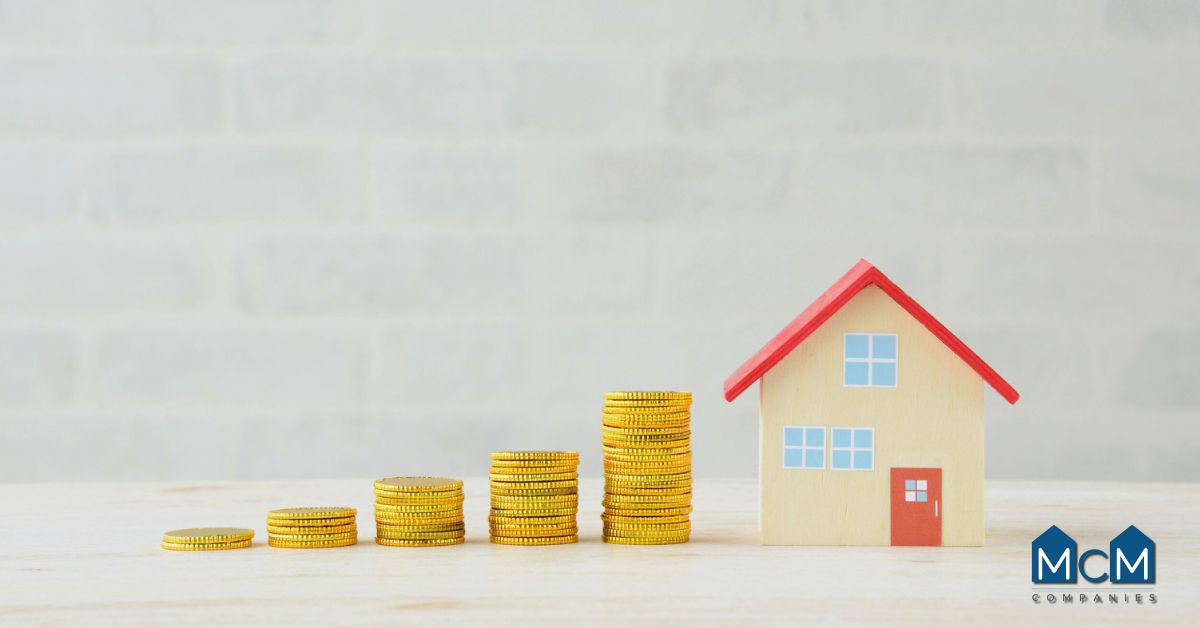
Understanding the resale value of manufactured homes is essential for anyone who owns or plans to buy one. These homes have come a long way from their early reputation as temporary housing.
Today’s manufactured homes are built to strict federal standards, using durable materials that rival those used in traditional homes. Many homeowners still wonder how these homes hold value over time.
Can a manufactured home appreciate like a conventional house, or does it automatically lose value? The truth depends on several factors, such as land ownership, foundation type, location, maintenance, and market conditions.
This guide explains how manufactured home resale value works, what influences it most, and how you can increase your home’s worth over time.
What Is Manufactured Home Resale Value
Resale value of a manufactured home refers to the price your home can sell for when you decide to put it on the market. Like any other property, that value depends on condition, age, location, and local housing demand.
There is one major difference between manufactured homes and traditional site-built homes. A manufactured home can be classified as either personal property or real property, depending on whether it is permanently attached to land that you own.
If your manufactured home is on rented land or still has transport parts like wheels and axles, it is usually considered personal property. Personal property tends to behave more like a vehicle, losing value over time.
However, when a manufactured home is installed on a permanent foundation on land you own, it can be reclassified as real property. That reclassification allows it to appreciate just like a traditional home.
The way your home is installed and maintained plays a significant role in how its resale value changes over time.
Why Manufactured Homes Were Once Thought to Lose Value
For many years, manufactured homes were viewed as short-term housing. Many older models were placed in mobile home parks where the homeowner owned the building but rented the land.
Since the land did not belong to them, these homes were not tied to appreciating property value. Over time, they lost value like personal property. Older homes were also built before modern HUD standards were established in 1976.
They often lacked proper insulation, strong foundations, and long-lasting materials. That made them less durable and less appealing to buyers. Today, the story is very different. Modern manufactured homes comply with strict federal building codes that prioritize quality, safety, and energy efficiency.
With better construction methods and more appealing designs, they can maintain or even grow in value when placed in the right setting. The perception that manufactured homes automatically lose value is fading.
What really determines the resale value of a manufactured home is how the home is installed, cared for, and classified.
The Main Factors That Affect Manufactured Home Resale Value
Manufactured home resale value depends on a mix of structural, legal, and environmental factors. Some of these are within your control, while others depend on the local market.
1. Land Ownership
Owning the land on which your manufactured home sits is one of the most important factors influencing its value. When a home is placed on owned land and is permanently attached to it, it can appreciate in value over time.
Land usually increases in value, and that appreciation directly benefits the homeowner. In contrast, a manufactured home on leased land typically depreciates in value.
Buyers are more cautious about purchasing homes that require ongoing lot rent because they will not gain ownership of the property itself. If you want to build equity in your home, owning the land is a major advantage.
2. Foundation Type and Installation
A permanent foundation is another major factor in long-term value. Homes installed on concrete slabs, crawlspaces, or basements are viewed as permanent structures.
These homes are more stable, safer in bad weather, and easier to finance. Homes that remain mobile or rest on temporary supports are often treated as movable assets.
That limits their appeal to lenders and reduces their resale price. Proper installation also prevents future problems.
A home that is leveled correctly, secured with tie-down systems, and protected from moisture is more likely to last for decades and retain its worth.
3. Location and Market Conditions
Location is one of the most significant influences on the resale value of manufactured homes. Homes in growing communities or near major job centers usually appreciate faster.
Buyers are drawn to locations that offer convenience, good schools, and a safe environment. On the other hand, homes in rural or economically struggling areas may face slower appreciation.
It is not always about the home itself but rather the desirability of the area. The condition of the surrounding neighborhood also matters.
A clean, well-maintained community with paved roads and consistent upkeep enhances the value of every property within it.
4. Age and Condition
A home’s age affects its value, but condition matters more. Well-maintained manufactured homes often sell for higher prices than newer ones that have been neglected.
Routine maintenance, including roof inspections, plumbing checks, and HVAC servicing, helps preserve property value. Upgraded siding, modern fixtures, and fresh paint also improve appearance and appeal to buyers.
Buyers are more likely to pay top dollar for a home that feels cared for and move-in ready.
5. Upgrades and Improvements
Upgrades can significantly impact the resale value of manufactured homes. Practical improvements such as energy-efficient windows, updated insulation, and modern kitchen or bathroom designs attract more buyers.
Exterior enhancements, such as landscaping, decks, and new siding, can make the property look newer and more appealing. Since manufactured homes usually start at a lower price point, even modest upgrades can produce a strong return on investment.
6. Documentation and Legal Status
Proper paperwork is essential for resale. Buyers and lenders often ask for proof of installation, HUD certification, and foundation compliance. Missing documents can delay sales or reduce the home’s appraised value.
Keeping accurate records from the start will help protect your investment and simplify the selling process later on.
Can a Manufactured Home Appreciate in Value
The idea that manufactured homes always lose value is outdated. In many markets, they are now seen as solid investments, especially when installed permanently and treated as real property.
A manufactured home on owned land behaves much like a traditional house. Its value is tied to local market trends and the rising cost of land. Homes that are regularly maintained and upgraded can appreciate in value steadily.
However, a home on leased land or one that remains mobile is more likely to depreciate because it is not tied to any appreciating asset. The difference between appreciation and depreciation depends on ownership, quality, and the level of care. In areas where housing demand is high, manufactured homes have been shown to increase in value year after year.
This growth is fueled by the need for affordable housing and by improved perceptions of the quality of manufactured homes.
How to Improve Manufactured Home Resale Value
Improving manufactured home resale value is often easier than most homeowners think. Consistent actions can lead to significant results over time.
1. Convert the Home to Real Property
If your home is not already considered real property, consider converting it. This requires placing it on a permanent foundation, removing transport components, and filing legal paperwork with your county or state.
Once classified as real property, your home can be financed and appraised like a traditional house.
2. Keep a Maintenance Record
Document all repairs, upgrades, and inspections. A detailed maintenance record gives buyers confidence and can help justify your asking price.
Homes with clear maintenance histories are often perceived as higher quality and better-maintained.
3. Upgrade for Efficiency and Comfort
Energy efficiency is highly valued by buyers. Upgrades such as insulated windows, improved insulation, and efficient HVAC systems can make your home more desirable and lower utility costs.
4. Enhance Curb Appeal
The exterior is the first thing potential buyers see. Invest in landscaping, exterior lighting, and a fresh coat of paint. Even small improvements like cleaning pathways or adding plants can make a big difference.
5. Work With Professionals
When selling, choose a real estate agent who understands manufactured housing. These professionals know how to position your property correctly and attract qualified buyers.
The Market Outlook for Manufactured Homes
The future for manufactured homes looks promising. Rising construction costs and a shortage of affordable housing options have made manufactured homes increasingly popular among first-time buyers, retirees, and investors.
Modern designs are stylish, energy-efficient, and customizable, helping to reshape public perception of sustainable living. In many regions, the resale performance of manufactured homes has caught up to that of traditional homes, particularly when the homes sit on owned land.
As more people recognize the long-term value of manufactured homes, their resale value is expected to remain strong. Homeowners who focus on proper installation, consistent maintenance, and smart improvements will continue to reap the most benefits.
Conclusion
The idea that manufactured homes automatically lose value is no longer true. Modern manufactured housing is durable, efficient, and designed to last for decades. When properly installed on owned land, a manufactured home can appreciate just as much as a traditional site-built house.
By focusing on land ownership, establishing a solid foundation, maintaining it regularly, and making smart upgrades, you can protect and grow your investment over time. Understanding the resale value of manufactured homes helps you make informed choices when buying, maintaining, or selling your property.
With the right care, a manufactured home can be more than an affordable place to live. It can become a valuable long-term asset that provides comfort and financial security for years to come. If you are ready to explore your options or want expert guidance on how to succeed with your manufactured home, contact MCM Communities today.
Our team can help you find, maintain, or upgrade a manufactured home that fits your lifestyle and investment goals.
FAQs
Do manufactured homes hold their resale value over time?
Modern manufactured homes can maintain or even increase in value when they are built to HUD standards, properly installed, and located on owned land. The key to protecting the resale value of manufactured homes is consistent maintenance and smart upgrades that appeal to future buyers.
What factors most significantly affect the resale value of manufactured homes?
Land ownership, installation quality, location, and overall condition have the biggest impact on resale value. Homes that sit on owned land with permanent foundations tend to perform better in the housing market than those on leased lots.
Can I increase the resale value of my manufactured home through renovations?
Yes, upgrades such as energy-efficient windows, new siding, and modern kitchen or bathroom designs can significantly improve resale value. Even small improvements like landscaping and fresh paint can make a strong first impression on potential buyers.
Why do some manufactured homes depreciate in value?
Manufactured homes often lose value when they are placed on rented land or not properly maintained. Without a permanent foundation or proof of ownership, the home is considered personal property rather than real property, which limits appreciation.
How can I prepare my manufactured home for resale?
Start by gathering all documentation, completing necessary repairs, and improving curb appeal with cleaning and light upgrades. A well-maintained home with proper records builds buyer confidence and supports a higher manufactured home resale value.