.svg)
How Manufactured Home Installation Affects Long-Term Value
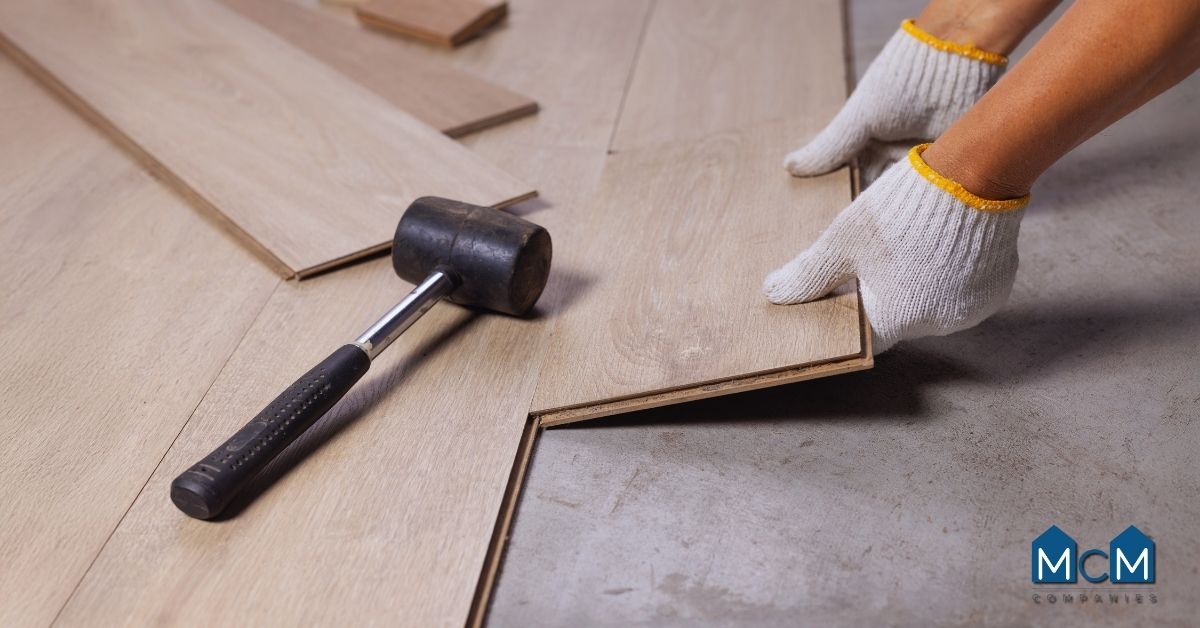
Manufactured home installation plays a significant role in determining how well your home retains its value over time. While many buyers focus on square footage, finishes, or the price tag, the way the home is installed has a lasting effect on everything from structural performance to resale potential.
Whether you're a first-time homeowner or managing several properties, it pays to understand the details of this process. From preparing the land to selecting the right foundation, each step of manufactured home installation impacts safety, energy efficiency, and even insurance options.
If the setup is done correctly, the home stands a better chance of lasting for decades. But if shortcuts are taken, you might face expensive repairs or reduced market value later on.
What is Manufactured Home Installation?
Manufactured home installation is the process of setting up a factory-built home on a prepared site. It includes site grading, building the foundation, placing the home, connecting utilities, and finishing touches like skirting and steps.
This process is more complex than simply "dropping" the home in place. Each part of the installation must be completed in accordance with federal, state, and local regulations. In most cases, installation begins with clearing and leveling the site.
Then comes foundation construction, which can be a pier-and-beam system, a slab, a crawlspace, or a basement. Once the home is delivered, it must be anchored, leveled, and connected to utilities. Finally, protective skirting is installed to keep out moisture and pests.
Proper manufactured home installation provides stability, comfort, and compliance with building codes, all of which are necessary for long-term performance.
Why Does Manufactured Home Installation Matter for Long-Term Value?
The way a manufactured home is installed can either preserve or slowly erode its value. A professional installation sets the foundation for the home’s lifespan. When the setup is done properly, you can avoid future issues such as:
• Shifting or settling that causes cracks in walls or floors
• Poor drainage that leads to water damage
• Loose anchoring makes the home vulnerable in strong winds
• Energy inefficiency from poorly sealed joints
These issues don’t always appear immediately. However, over time, poor installation can lead to significant issues, making it more challenging to sell or refinance your home.
On the other hand, a well-installed home offers improved energy performance, easier maintenance, and greater buyer confidence. These benefits directly impact how much your home is worth years after you move in.
What Are the Steps Involved in Manufactured Home Installation?
Manufactured home installation typically includes the following stages:
1. Site Preparation
The site is cleared of trees, debris, and any existing structures. It is then graded to allow water to drain away from the home. This prevents moisture buildup under the home, which can lead to mold and wood rot.
2. Foundation Construction
Based on the homeowner’s preference, local soil conditions, and climate, the right foundation is chosen. Common options include:
• Pier and beam: Popular for affordability
• Slab: Offers stability and better insulation
• Crawlspace: Provides access for plumbing and wiring
• Basement: Adds usable space and increases home value
3. Delivery and Placement
The home arrives in one or more sections. Installers use machinery to position it correctly on the foundation. The sections are joined, and final leveling adjustments are made.
4. Utility Hookups
Professionals connect the home to water, sewer, gas, and electric systems. These connections must meet code and be inspected before the home is approved for occupancy.
5. Anchoring
The home is secured to the foundation using tie-downs or anchor bolts. This is especially important in areas prone to windstorms or seismic activity.
6. Skirting and Final Touches
Skirting is installed to cover the crawlspace or area below the home. It protects against moisture, pests, and temperature extremes. Steps, decks, and ramps may also be added at this stage.
Each of these steps contributes to the success of the manufactured home installation and affects how well the home holds up over time.
What Can Go Wrong During Manufactured Home Installation?
While many installations proceed smoothly, mistakes during setup can lead to problems years later. Here are some common errors that hurt long-term value:
• Improper leveling: Causes uneven floors and structural stress
• Poor drainage: Leads to standing water under the home
• Weak anchoring: Increases the risk of shifting during storms
• Low-quality skirting: Allows moisture and pests to enter
• Missing permits: Can create legal issues and lower resale value
When manufactured home installation is rushed or done by unqualified workers, these problems are more likely to occur. Repairing them later often costs more than getting it right the first time.
How Do Buyers and Appraisers View Installation Quality?
Buyers may not see what’s under the home, but they can spot the signs of good or bad installation. Sloped floors, crooked doors, or visible water damage all raise red flags. These signs often indicate installation issues that could lower the property's value.
Appraisers also look at the quality of manufactured home installation. They check for:
• A permanent foundation
• Secure anchoring
• Approved utility connections
• Proper grading and drainage
• Evidence of code compliance
A home that meets these criteria is likely to receive a higher appraisal and attract more buyer interest.
How Can Professional Installers Improve Long-Term Value?
Certified installers follow state and federal guidelines for setup. They understand how to prepare different types of land, handle utility hookups, and anchor the home correctly.
Working with experienced installers during manufactured home installation can:
• Reduce the chance of costly repairs later
• Help qualify the home for financing and insurance
• Provide proper documentation for resale
• Improve overall safety and comfort
While it may cost more upfront, professional installation is often a smart investment in the home’s long-term value.
How Does Installation Affect Insurance and Loans?
Insurance companies and mortgage lenders often ask for proof that the home was installed properly. Homes with missing documents or signs of poor installation may:
• Be denied insurance coverage
• Receive lower appraisals
• Require higher interest rates or down payments
If your home has been professionally installed and inspected, it becomes easier to secure financing and affordable insurance.
What Should You Do to Maximize Value During the Installation Process?
Here are simple steps to make sure your manufactured home installation supports long-term value:
• Hire certified installers with good reviews and local experience
• Use the right foundation for your area and financing needs
• Plan for drainage with proper site grading and landscaping
• Invest in quality skirting that protects against the elements
• Follow all permit rules and save the documentation
• Schedule a follow-up inspection a few months after move-in
These actions help protect your investment and make the home more attractive to future buyers.
Does Location Affect How a Home Should Be Installed?
Manufactured home installation varies depending on the geographical location. Different regions have different requirements and environmental risks.
• In wet climates, drainage and vapor barriers are critical
• In wind zones, anchoring systems must be upgraded
• In cold regions, insulation and freeze protection are key
• In seismic zones, extra support may be needed under the home
Your installer should understand these conditions and adapt the installation to fit. Doing so not only protects the home but also supports long-term value.
Conclusion
Manufactured home installation is more than just setting up a structure. It lays the groundwork for your home's safety, efficiency, and long-term value. When handled properly, it enhances durability, comfort, and even future resale appeal.
If you're considering manufactured homes in Michigan, thoughtful planning and expert guidance are key. From securing permits to selecting the right materials, every step counts. Quality installation today protects your investment tomorrow.
Ready to take the next step? Contact MCM Communities to see how we can help you succeed with manufactured homes in Michigan—offering support, expertise, and communities built for lasting value.
FAQs
How long does a manufactured home installation usually take?
Most manufactured home installations take between one to two weeks, depending on site conditions and the type of foundation. Delays can happen if the weather is bad or permits are not in place.
Can I install a manufactured home myself?
While some homeowners attempt it, manufactured home installation should be handled by licensed professionals to ensure compliance with safety codes and protect long-term value. DIY installations often lack proper documentation and can create problems during inspections or resale.
What kind of foundation is best for manufactured home installation?
Slab and basement foundations often add the most value and stability. However, pier and beam systems can work well if installed correctly and meet local code requirements.
Does manufactured home installation affect financing options?
Yes, lenders often require that the home be installed on a permanent foundation with proper permits and inspection records. A professional manufactured home installation increases your chances of qualifying for better loan terms.
What paperwork should I keep after installation?
Always keep permits, final inspection approvals, utility hookup records, and installer certifications. These documents confirm that your manufactured home installation meets all requirements and supports your home’s resale value.