Do modular homes depreciate is a question that surfaces whenever buyers and sellers try to sort fact from rumor. The honest answer is more practical than dramatic.
A modular home that is built to local residential code, sits on a permanent foundation, is titled with the land as real property, and lives in a healthy neighborhood usually moves with that neighborhood’s market. A modular home that sits on leased land, is mislabeled in the listing system, or carries incomplete paperwork can run into headwinds that look like depreciation even when the construction quality is solid.
In other words, the way the home is set up and presented matters as much as the way it was built. This guide walks you through the pieces that shape value. You will see why land status is the first lever to check, how a simple document binder can steady an appraisal, and why clear labeling in the listing system protects your price.
Along the way, you will get tips that real agents, appraisers, and owners use to keep deals moving. The goal is to give you a straight path from the question do modular homes depreciate to a confident, data friendly plan.
If your modular home meets local code, rests on a permanent foundation, and transfers with the land, it tends to follow the same trend as nearby site built houses. Prices rise when the neighborhood is hot and soften when the neighborhood cools. Depreciation risk shows up when one or more of those basics are missing.
A home on a leased pad faces a smaller group of lenders and buyers. A home with unclear title or foundation status creates extra work for underwriters. A home that is mislabeled in the listing system gets filtered out of searches by mistake. These frictions do not change the home itself, but they change the audience, which changes the outcome.
Think of it as a funnel. The wider the funnel of qualified buyers, the more competitive your price can be. The tighter the funnel, the more you have to work to keep your number. Owners cannot control interest rates or school boundaries, but they can control the parts of the file that remove friction.
When people ask do modular homes depreciate, the most reliable hedge is to make your home easy to finance, easy to appraise, and easy to love.
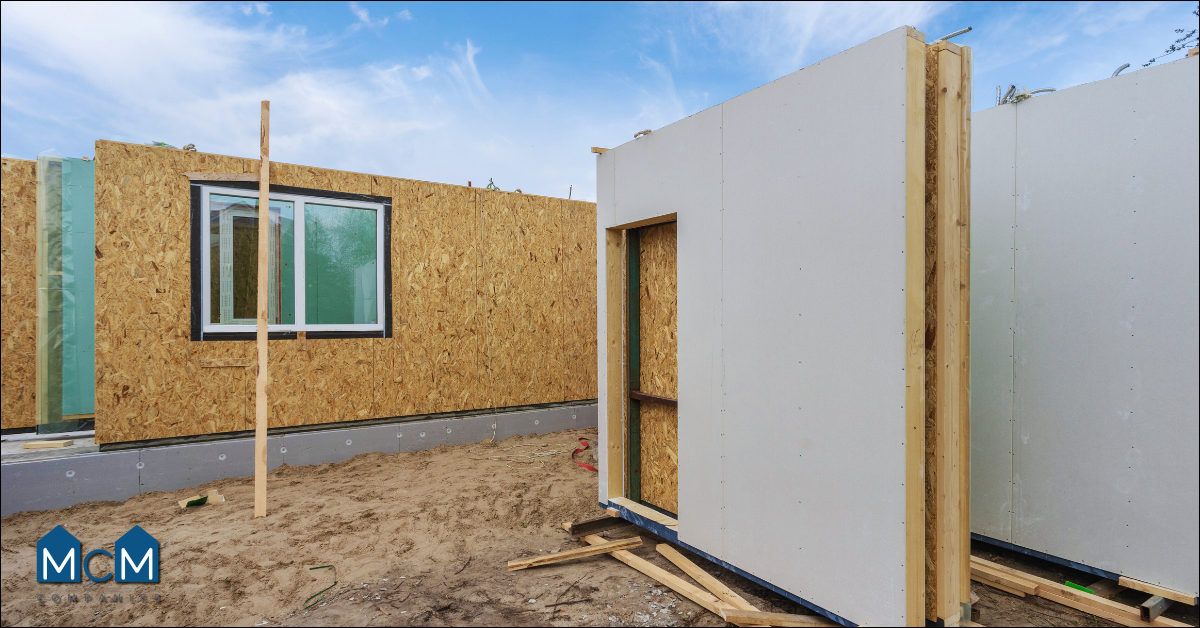
A modular home is built in sections in a factory, shipped to the site, and assembled on a permanent foundation. The critical point is that it is built to the same state and local codes that govern site built homes. A manufactured home is different. It is built to a national code and often follows different rules for appraisals, loans, and land setups.
These categories live in the same broad family of factory built housing, but they are not the same product in the eyes of appraisers and lenders. That difference shapes value. When a modular home is classified correctly and titled with the land, it sits in the same conversation as the stick built homes around it. Lenders can use familiar mortgages.
Appraisers can rely on the best comparable sales. Buyers can filter listings without confusion. Mix up the labels and good homes disappear from search results or wind up on the wrong appraisal form. That is one of the quiet ways do modular homes depreciate becomes a self fulfilling fear.
There is no nationwide chart that tracks only modular values, so the best approach is to build a local picture. Pull a public house price index for your metro area. Mark the date you purchased your home. Then review recent sales in your neighborhood that match size, age, and quality.
If you can find one or two modular sales nearby, that is ideal. If you cannot, look at the closest site built sales with similar features. This method gives you a grounded view of what buyers are paying right now. This local picture is also the best way to answer do modular homes depreciate for your situation.
People often repeat stories they have heard from other markets, different land models, or older rules. Your home sells where it sits, to the buyers who are currently shopping that area. The mix of recent sales, days on market, and the spread between list and sale price tells you how much room you have to push.
When owners ask do modular homes depreciate, what they are really asking is whether their land setup helps or hurts them. Here is a clear breakdown.
The land and the improvements transfer together. Most buyers can use familiar mortgages. Appraisers have more flexibility finding comps. The buyer pool is wide.
This setup lines up with how most people already think about buying a house, so it supports price in a natural way.
Ownership is clear but wrapped in community rules. Financing can still be available, but lenders and buyers will review fees, reserves, and restrictions.
Some people love the shared amenities and maintenance model. Others do not. Price behavior depends on how your local market views the tradeoffs.
Monthly pad rent raises the total payment and some lenders do not participate. Rules on pets, age, parking, or rentals can limit who is allowed to live there. From day one the buyer pool is smaller. This is the setting where many horror stories begin.
The home may be clean and comfortable, but the land structure narrows the path to a strong price. If you are months away from selling, start with title. Pull the recorded documents and confirm that the county shows the home as real property if it should.
If your foundation certification is old or missing, order an update. Clear land and foundation records keep surprises out of the final stage of the deal and make it easier for buyers to offer with confidence.
Appraisers and underwriters do not guess. They check boxes. Your job is to make those checks easy.
Build a document binder that includes the following.
• Proof of permanent foundation and a clean installation record under local code
• Factory drawings or manufacturer specifications that show how the home was built
• Permit records and final inspection sign offs
• Energy features or test results, such as window ratings, insulation values, or HVAC efficiency
• Warranties and lien releases for major work
Put a digital version in a single folder for your agent, appraiser, and buyer. Bring a printed copy to the home for showings. A neat packet tells a quiet story that your home is organized, safe to underwrite, and worth serious consideration.
It also gives you a practical answer when someone asks do modular homes depreciate. You can point to the evidence that places your home in the same lane as other code compliant houses in the area.
Appraisers begin with the sales comparison approach. The best case is a recent sale of another modular home in the same submarket. If modular comps are scarce, the appraiser looks to the closest site built sales that match size, age, quality, and location.
This is normal practice. It is also why the right label in the listing system matters. Manufactured homes use a different appraisal form and different rules. If your modular home is tagged as manufactured, the report can drift into the wrong method or the lender can ask for a different approach that does not fit your property.
There is one more wrinkle that trips up owners and agents. During installation, an on frame modular package can look like other factory built structures because of the steel members visible in the process.
The deciding factor is the code the home was built to and the way the property is titled. If anyone is unsure, pull the documents. A ten minute review of the factory paperwork prevents weeks of confusion later.
A broad set of loan options attracts a broad set of buyers. Because modular homes that meet local codes are typically treated like site built for common mortgages, buyers can use familiar loan products.
That comfort level shows up in shorter days on market and a tighter spread between list and sale price. You will feel it in cleaner negotiations, too. Offers are firmer when buyers know their lender is comfortable with the property.
Insurance follows similar logic. Carriers price coverage based on construction class, location, and replacement cost. When you present clear documentation on the foundation, structure, and major systems, quoting gets easier and buyers worry less about surprises. This matters because nervous buyers ask for discounts.
Relaxed buyers move forward at the number that makes sense.
No home type can outrun the local market. School quality, commute time, job access, parks, shops, and tax policy carry real weight. A well documented modular home in a great school district with limited inventory will often hold value as well as the houses around it.
A similar home in an area with weak demand will need sharper pricing. When you want to know how far you can reach, look at the most recent sales that match your home and count how long they sat before they sold. That timeline tells you how buyers feel today.
For your listing, build a one page brief. Include the local price index, your ownership period, three to five close comps, days on market, and the list to sale ratio. Put the brief in your attachments so buyers and appraisers can see the same picture.
This simple step makes your ask feel reasonable and helps your agent negotiate from facts rather than hope.
Not every project pays back equally. Focus on work that shows up in photos, improves daily comfort, and lowers operating costs. Here are the categories that tend to help.
A covered porch, clean modern lighting, and landscaping that fits local taste lift first impressions. Your main photo sets the tone for every showing, so spend attention there.
Air sealing, added insulation, and a right sized heating and cooling system are practical wins. Save invoices, model numbers, and any test results.
A short chart that shows one year of utility bills before and after the work can be powerful.
In hot or cold climates, modern window ratings and better sealing help buyers feel at home during showings. Label a few windows with their specs so the benefit is easy to spot.
Light, clean, and timeless surfaces are safer than flashy custom choices. You are not trying to win a design award. You are trying to attract the widest group of buyers.
A smart thermostat, a garage outlet ready for an electric car, and a few data drops for work and streaming make living easier and signal that the home is current.
When you present these upgrades with receipts and a couple of before and after photos, you take the guesswork out of value. That is a practical way to answer do modular homes depreciate without getting stuck in theory.
The buyer pool is smaller and some lenders step away. If conversion to owned land is not possible, lean into clarity. Disclose the total monthly cost. Present the community rules up front.
Price for the lane you are in and target buyers who prefer the lifestyle that community offers.
If the listing is labeled as manufactured, buyers who filter that category out will never see your property. Review the entry screen with your agent and attach factory documents that prove the build type. Better data equals better traffic.
Loan files slow down when documents are missing. Order or update the foundation certification before you list. Close old permits. Confirm that the county records show the home as real property when it should.
Clean files help buyers offer stronger terms.
In some neighborhoods there are few modular sales to reference. Work with your agent and your appraiser to build a blended comp set. Use the closest modular sales from a wider radius and the best site built matches next door.
Add a short narrative that explains why each comp belongs. You are not gaming the system. You are teaching it.
Even when the structure and paperwork are strong, tired paint, poor lighting, and an overgrown yard can drag on price. Small, targeted fixes can lift the photos and shorten the time on market.
A three bedroom modular home built to local code sits on a permanent foundation and transfers with the land. The owners gathered factory documents, permits, and energy details into a simple binder. The agent labeled the listing correctly and attached the packet. Two modular sales and one close site built sale supported the price.
The home sold near list in about ten days. Over the ownership period, the price move closely matched the local index. When neighbors asked do modular homes depreciate, the owners could point to their own result and the neighborhood data.
The same floor plan sits on leased land. Monthly pad rent raises the payment. Fewer lenders participate. The homeowners association restricts pets and parking. Showings are lighter and buyers ask for a price cut. The home sells after two months with a discount. Nothing about the construction changed. The market lane did.
These examples do not prove a rule for every home. They show how land status, documentation, and labeling shape demand and set the stage for price. When you control what you can control, you reshuffle the odds in your favor.
Confirm title status, order or update the foundation certification, and close any open permits. This removes the most common loan conditions before they appear.
Collect factory drawings, specifications, energy details, warranties, and lien releases. Keep a digital folder and a printed copy in the home for showings.
Pull the best modular sales nearby. If they are scarce, choose the closest site built sales by size, age, quality, and location. Write two lines on why each comp matches. Share the packet with your appraiser.
Download a public price index for your metro and mark your ownership period. Add three to five close comps with days on market and list to sale ratio. Put the brief in your listing attachments.
This makes your price feel reasonable and helps the appraiser finish faster.
Sit with your agent and check the property subtype, construction description, and attachments. A correct label, clear photos, and clean documents answer do modular homes depreciate before anyone needs to ask.
Local rules shape both construction choices and buyer confidence. In wind, seismic, or frost line regions, buyers and underwriters want to see that the structure and foundation match local requirements. If you live in a community with an architectural review, learn what is allowed and present your home in a way that fits the standards.
This prevents last minute conflicts and makes it easier for appraisers to find fair comps. Because modular homes follow local code, your paperwork is your loudest voice. Keep it complete. Keep it organized. Share it early.
Do modular homes depreciate is a helpful question, but it does not have a simple answer. What truly determines your home's long-term value is how well it fits into the systems that guide real estate transactions. A modular home that meets local code, sits on a permanent foundation, transfers with the land, and has clean documentation is likely to hold value similar to traditional homes.
On the other hand, issues like land leases, incorrect classification, or missing paperwork can reduce buyer interest and give the impression of depreciation. While you cannot control market trends or economic changes, you can take steps that strengthen your position as a seller.
Confirm your title and foundation status. Organize your documents. Make upgrades where they matter and price your home using reliable local data. Review your listing details carefully. These actions help set clear expectations, reduce buyer hesitation, and build confidence in your property.
If you are considering buying, selling, or improving a modular home, contact MCM Communities to see how we can help you succeed with your modular home investment.
Often they do. When a modular home follows local code, sits on a permanent foundation, and transfers with the land, buyers treat it like other houses in the area. Prices tend to move with neighborhood sales rather than drift on their own.
The biggest factor is land status. Homes on leased pads face a smaller audience and fewer loan options. Homes on owned land fit the mainstream market. Documentation, presentation, and basic condition also play a role.
Build a clean binder with foundation records, permits, factory drawings, and energy details. Label the listing as modular and attach the documents. You are giving buyers, lenders, and appraisers what they need to see.
In many cases yes. The key is correct classification and complete records. Talk to a local lender early and ask what paperwork makes the file easiest to review.
Longevity depends on maintenance, materials, and exposure, just like any other house. When buyers see a home that follows local code and has been cared for, they expect a normal service life and are willing to pay for it.