.svg)
Are Manufactured Homes Safe in Storms for Your Family?
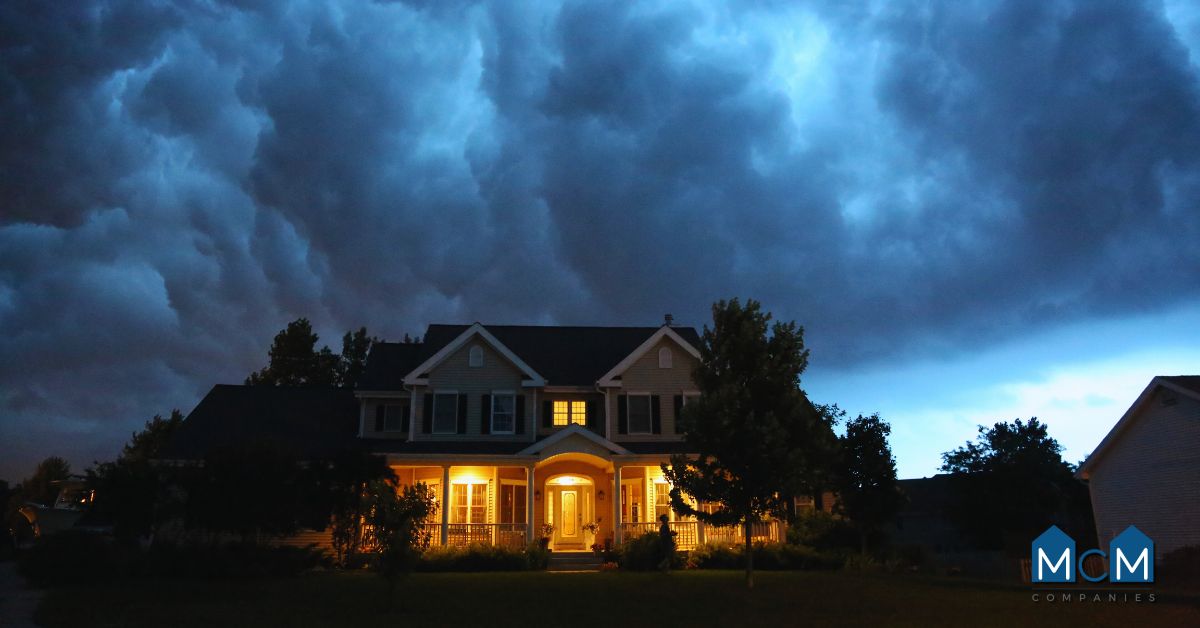
Many homeowners ask, “Are manufactured homes safe in storms?” It’s a valid question—especially as the United States experiences stronger hurricanes, tornadoes, and thunderstorms than ever before.
Manufactured homes are often viewed as affordable and efficient housing solutions, but their ability to withstand severe weather has long been debated. The truth is that modern manufactured homes are very different from the mobile homes built decades ago.
Advances in building codes, materials, and construction standards have significantly improved their structural strength. Still, how well a manufactured home performs in a storm depends on multiple factors, including its age, installation, maintenance, and location.
This guide breaks down what makes a manufactured home safe or vulnerable during adverse weather conditions, what you can do to protect your family, and how to determine if it’s the right choice for your situation.
What Makes a Manufactured Home Different from a Site-Built Home?
To determine whether manufactured homes are safe in storms, it is helpful to understand how they differ from traditional houses. Manufactured homes are built entirely in factories under strict federal standards known as the HUD Code, which was established in 1976.
These standards govern everything from the frame construction to the electrical system and roof design. Unlike older mobile homes, today’s manufactured homes must meet national regulations that ensure structural strength and wind resistance.
They are transported to the home site and installed on a foundation or a series of anchoring systems designed to keep them stable during strong winds.
Key differences include:
• Controlled factory construction: Manufactured homes are built indoors, where materials are protected from moisture and weather delays.
• Federal safety standards: The HUD Code requires homes to meet design, energy, and structural benchmarks that apply nationwide.
• Wind zone ratings: Each home is built to match the wind speed of the region where it will be installed. These zones determine the amount of wind a home can safely withstand.
• Foundation types: Homes can be installed on permanent foundations, piers, or slabs, depending on soil conditions and homeowner preferences.
Modern manufacturing processes have greatly improved reliability. Still, the question “are manufactured homes safe in storms” depends on whether the home is built to its appropriate wind zone and installed correctly.
How Are Manufactured Homes Rated for Storm Safety?
Every manufactured home is rated for wind resistance based on its wind zone. This system divides the country into three regions according to historical wind patterns and storm frequency.
• Wind Zone I: Areas with low risk of hurricanes or strong winds, such as much of the Midwest.
• Wind Zone II: Regions exposed to moderate winds, including parts of the Southeast and inland coastal zones.
• Wind Zone III: Coastal regions with high hurricane risk, such as Florida, the Gulf Coast, and parts of South Carolina.
Each wind zone has specific construction requirements. Homes built for Zone III, for example, must be designed to handle higher wind pressure and uplift forces than those in Zone I. The HUD label attached to every manufactured home specifies which zone it’s rated for.
When people ask, “Are manufactured homes safe in storms like hurricanes?”, the answer depends on whether the home’s wind zone rating matches the local conditions. A Zone I home in a coastal area will not be safe, while a Zone III home installed properly can perform much better.
Other structural elements also contribute to storm safety, including:
• Roof pitch: Steeper roofs reduce wind uplift.
• Anchoring systems: Properly installed anchors prevent homes from shifting during high winds.
• Wall framing: Thicker studs and better bracing increase strength against wind loads.
• Foundation stability: Homes placed on permanent foundations tend to perform better in storms.
These engineering details show that the modern manufactured home is designed with safety in mind. However, even the best-built home can fail if it’s installed incorrectly or not maintained over time.
Are Manufactured Homes Safe in Tornadoes and Hurricanes?
Storm type matters when discussing safety. Tornadoes, hurricanes, and severe thunderstorms all create different challenges for manufactured homes.
1. Tornadoes
Tornadoes produce violent, concentrated winds that can damage any structure in their direct path, even brick or concrete homes. Older mobile homes, built before federal safety codes were established, often suffered the most damage because they lacked strong anchoring systems and structural reinforcements.
Modern manufactured homes, however, are built much differently. Their frames, roofs, and anchoring systems are designed to resist uplift and shifting. While no structure is completely tornado-proof, a HUD-compliant manufactured home that’s properly tied down has a much higher chance of withstanding peripheral wind damage compared to older models.
2. Hurricanes
Hurricane winds are sustained and widespread, testing a home’s structural integrity over hours or even days. In the past, mobile homes were notorious for failing under hurricane conditions.
But after major storms in the 1990s, construction standards were upgraded. Manufactured homes built for Wind Zone III are now required to meet rigorous wind resistance criteria.
They use stronger fasteners, reinforced roof-to-wall connections, and improved tie-down systems. If properly installed on a solid foundation, these homes can withstand hurricane-level winds, comparable to those of site-built homes in the same region.
3. Severe Thunderstorms and Straight-Line Winds
Even in areas without hurricanes or tornadoes, severe thunderstorms can produce damaging straight-line winds exceeding 70 miles per hour. These winds can tear off roofs, blow out windows, and lift homes that are not properly anchored.
Regular inspection of tie-downs and skirting helps prevent such damage. The key takeaway? When homeowners wonder, “are manufactured homes safe in storms?”, the answer depends heavily on how the home was built, where it’s located, and how well it’s maintained.
What Factors Affect a Manufactured Home’s Safety During Storms?
The storm safety of a manufactured home is determined by several key factors that work in conjunction with one another.
1. The Age of the Home
Homes built before 1976 do not meet current HUD standards and often lack essential safety features. Homes built after the 1994 hurricane safety regulations were implemented are considerably stronger.
If your home predates these standards, retrofitting it with new anchors and tie-downs is highly recommended.
2. Installation and Anchoring
Even a new home can become dangerous if installed incorrectly. Proper anchoring prevents uplift and shifting during high winds. Anchors should be inspected annually for signs of rust or looseness and replaced as needed.
3. Wind Zone Compliance
Matching your home’s wind zone rating to your area is critical. A mismatch between the two increases the risk significantly. Before purchase or relocation, always verify that your home is rated for your local conditions.
4. Regular Maintenance
Neglected maintenance weakens your home’s ability to handle strong weather. Inspect the roof, siding, and foundation on a regular basis. Repair damaged skirting and seal any leaks to prevent wind from entering and lifting the home.
5. Structural Additions
Add-ons, such as decks, carports, and patios, must have their own anchoring systems. Many cases of storm damage occur when these attachments tear away and compromise the main structure. Always consult professionals when adding these features.
6. Site Conditions
The location of a manufactured home, where it sits, influences its storm performance. Poor drainage, uneven terrain, or exposure to open fields can increase wind pressure. Building on higher ground with good water runoff and minimal obstructions improves resilience.
How to Improve the Storm Safety of a Manufactured Home
There are several ways to increase protection if you’re worried about how safe manufactured homes are in storms.
1. Inspect the Anchoring System
Check tie-down straps and anchors at least once a year. Replace worn or rusted parts. Professional installers can test the tension and confirm whether they meet current safety standards.
2. Strengthen the Roof and Walls
Use hurricane straps or clips to reinforce roof-to-wall connections. Ensure all siding panels are securely in place. Inspect for cracks or openings that could allow wind or water to enter.
3. Maintain the Skirting
The skirting around the bottom of the home protects against wind uplift. Broken or missing panels should be repaired quickly, as open gaps allow air to circulate under the home, creating lift pressure during storms.
4. Add Storm Shutters and Reinforced Doors
If you live in a hurricane zone, install storm shutters and strong exterior doors. They can prevent wind and debris from breaking windows or entering the home, reducing internal pressure that can cause roof failure.
5. Keep Trees and Debris Away
Trim nearby branches and remove loose outdoor objects that could become projectiles. Securing the surrounding area reduces potential impact damage.
6. Prepare an Emergency Plan
Even if your home is well-built, always have an evacuation plan in place. Know the nearest storm shelters, keep an emergency supply kit, and have a safe room identified if evacuation isn’t possible.
Taking these steps not only improves safety but also adds peace of mind when storms approach.
What to Do When a Storm Is Approaching
When a severe storm is forecasted, preparation can make all the difference.
• Monitor weather updates. Stay tuned to reliable sources for alerts and evacuation notices.
• Secure outdoor items. Move furniture, plants, and tools inside to prevent them from becoming projectiles.
• Check tie-downs. Tighten any loose straps if there’s time before the storm.
• Charge devices. Keep cell phones and flashlights fully charged.
• Move to safety. If authorities recommend evacuation, leave early. Manufactured homes, although sturdy, are not designed to withstand direct tornado strikes or extreme hurricane conditions.
• Inspect afterward. Once the storm passes, carefully inspect the roof and foundation for damage before re-entering the home fully.
Good preparation can make a huge difference in safety and recovery.
Should You Choose a Manufactured Home in a Storm-Prone Area?
If you’re considering buying a manufactured home in an area with frequent storms, it’s natural to wonder if it’s a safe investment.
Advantages
• Affordable compared to site-built homes.
• Built under consistent federal quality standards.
• Modern models are energy-efficient and structurally reinforced.
Considerations
• Must match the correct wind zone.
• Installation quality is crucial.
• Routine maintenance is required to keep it storm-ready.
If you live in a hurricane-prone area, look specifically for homes rated for Wind Zone III. Before purchasing, confirm that the installation team is licensed and experienced with local conditions.
A well-installed, properly maintained manufactured home can be a safe, comfortable residence even in challenging climates.
Conclusion
So, are manufactured homes safe in storms for your family? The answer is yes when they are built to HUD standards, installed correctly, and properly maintained over time. The safety of a manufactured home depends less on whether it is factory-built and more on the attention and care homeowners give it throughout its lifetime.
Modern manufactured homes are strong, affordable, and built under strict federal guidelines that focus on structural integrity. When placed in the correct wind zone and securely anchored, they can provide dependable protection in most weather conditions. Homeowners who stay proactive with maintenance, tie-down inspections, and storm preparation can significantly improve their home’s safety and longevity.
In short, manufactured homes can be safe in storms when combined with responsible ownership and thoughtful planning. If you are exploring your options or ready to invest in a new home, contact MCM Communities to see how we can help you succeed with manufactured homes for sale in Michigan.
Our team is ready to guide you in finding a high-quality, well-built home that fits your needs and gives you lasting peace of mind, even when the weather turns severe.
FAQs
Are manufactured homes safe in storms like hurricanes?
Yes, modern manufactured homes built after 1976 follow HUD safety codes that require them to withstand strong winds. Homes rated for Wind Zone III are specifically designed to perform well in hurricane-prone areas when properly installed and anchored.
How can I make my manufactured home safer during storms?
Regularly inspect and tighten tie-downs, repair damaged skirting, and make sure your roof and siding are secure. You can also install storm shutters and remove outdoor debris before a storm to reduce damage.
Are older mobile homes safe in storms?
Homes built before the HUD Code of 1976 are generally less safe because they were not required to meet federal storm-resistance standards. If you own an older mobile home, upgrading anchors and tie-downs can help improve safety.
Do manufactured homes have the same safety standards everywhere?
All manufactured homes follow the national HUD Code, but they are built for specific wind zones depending on the region. Choosing a home rated for your local wind zone is essential for safety during severe weather.
What should I do if a storm is heading toward my manufactured home?
Follow local weather alerts and move to a designated shelter if severe weather is expected. Even if your home is built to code, it’s always safer to evacuate during tornadoes or major hurricanes.